City Moves Made Simple: How to Navigate Relocations Around Atlanta’s BeltLine
Alpharetta, United States – February 27, 2026 / Moving Service Marketing Company /
Moving near Atlanta’s BeltLine offers a unique mix of benefits and challenges that are closely tied to city living. These neighborhoods are known for walkability, active streets, limited parking, and buildings located close together. While the area provides easy access to parks, restaurants, and transit, it also requires thoughtful planning to avoid common moving-day problems. Factors like foot traffic, shared driveways, loading restrictions, and narrow streets can quickly slow down a relocation if not accounted for in advance.
Preparation plays a major role in keeping a BeltLine move organized and efficient. Understanding when streets are busiest, where moving vehicles can legally park, and how to protect shared spaces such as hallways or elevators helps reduce delays and frustration. This article outlines practical considerations for relocating in BeltLine neighborhoods, with a focus on timing, accessibility, and local awareness. In this guide, Home Movers provides useful insights to help navigate city life while keeping the moving process structured and manageable.
Exploring Atlanta’s BeltLine
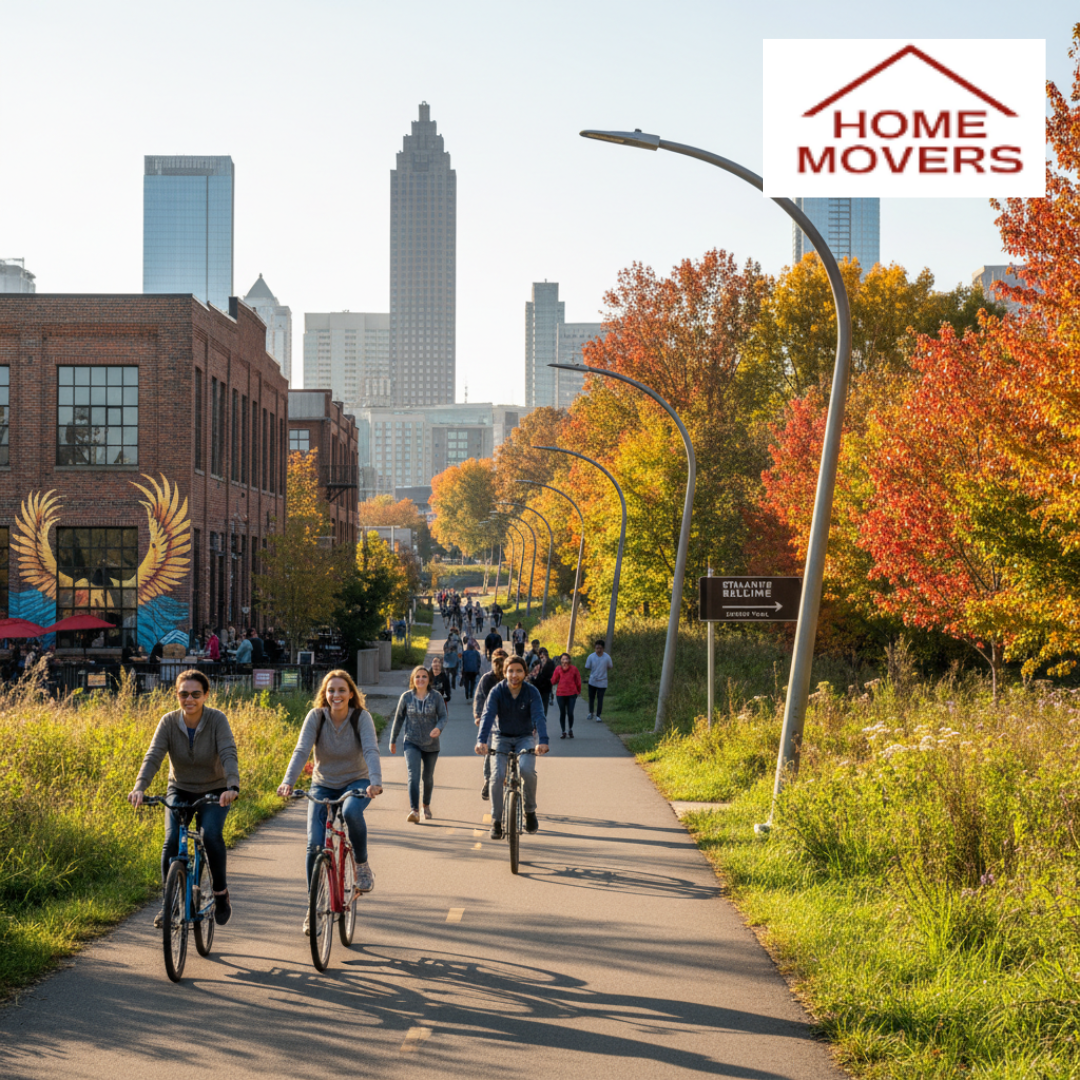
The Atlanta BeltLine is more than a walking path or bike trail. It is a major urban corridor that connects communities, businesses, and green spaces across the city. Stretching roughly 22 miles, the BeltLine passes through more than 45 neighborhoods, each with its own character and pace. From historic residential streets to busy commercial areas, the trail highlights Atlanta’s diversity and ongoing growth.
Some areas, such as Inman Park, are known for preserved historic homes and tree-lined streets, while locations near Krog Street Market are more energetic and commercial. This variety makes the BeltLine appealing to a wide range of residents and visitors. Access points are spread throughout the loop, allowing people to enter the trail from multiple neighborhoods without needing to travel far.
A key feature of the BeltLine is its blend of green space and dense urban development. More than 1,300 acres of parks and trails are connected along the route, offering room to exercise, relax, or gather without leaving the city. Parks such as Historic Fourth Ward Park provide open lawns and walking paths, while smaller green areas give nearby residents places to unwind close to home.
The Eastside Trail is one of the busiest sections, running from Ponce City Market to the Krog Street Tunnel. On weekends, this stretch can see more than 10,000 visitors in a single day. Restaurants, breweries, and retail spaces line this section, making it a central social area. Despite the high volume of people, the trail design allows pedestrians, cyclists, and families to share the space with minimal conflict.
For those seeking a quieter experience, areas near the West End offer wider paths and fewer crowds. These sections still provide access to parks and neighborhood amenities but at a slower pace. The BeltLine also connects with MARTA stations such as Inman Park Reynoldstown and King Memorial, making it easier to move between neighborhoods without relying on a car.
Completing the full BeltLine loop on foot can take seven to eight hours, which makes biking a practical option for covering longer distances. Many visitors still find that walking allows for easier stops at restaurants, shops, or art installations. Comfortable shoes are recommended, as unplanned stops are common along the route.
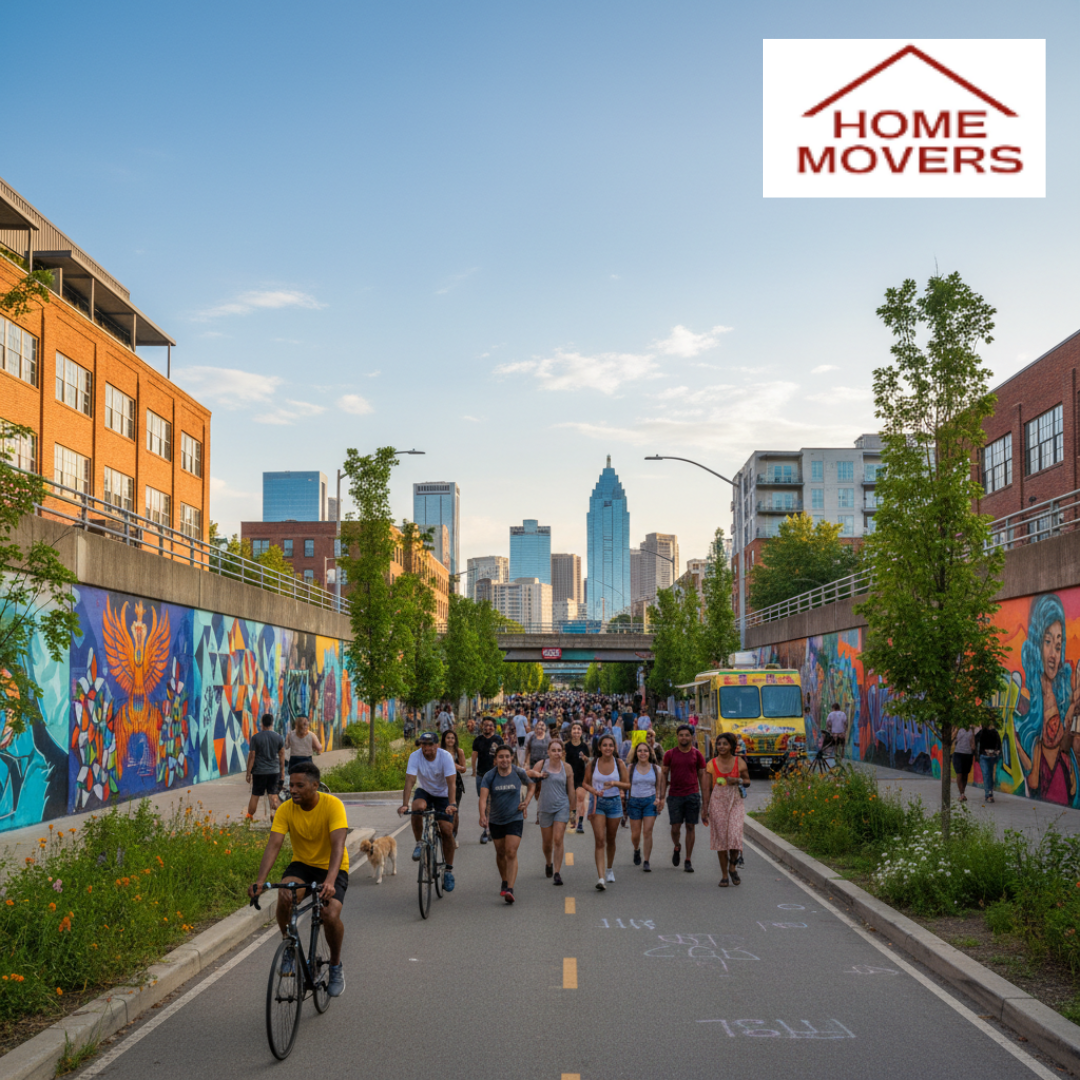
The BeltLine also functions as a large public art space. More than 100 installations are displayed through the Art on the Atlanta BeltLine program, making it the largest free public art exhibition in the Southeast. Murals, sculptures, and interactive pieces are placed along walls, bridges, and open areas, reflecting local stories and community voices.
These creative elements, combined with businesses and public spaces, show how deeply the BeltLine is woven into daily life in Atlanta. Understanding how the corridor functions helps explain why moving near it requires careful planning and awareness of the surrounding activity.
Transportation and Accessibility Tips
Transportation along the BeltLine is designed to support multiple ways of getting around. Biking is one of the most common options, with dedicated lanes and rental stations available along major sections. These features help reduce interaction with vehicle traffic and make the trail accessible to both experienced and casual riders. Electric scooters are also widely available for short trips or quick connections between destinations.
For those who prefer not to bike, public transit provides strong support. MARTA stations near the BeltLine allow residents and visitors to combine walking or biking with rail service. The Inman Park Reynoldstown station connects directly to the Eastside Trail, while the West End station serves southern sections of the corridor. This setup makes it possible to reach the BeltLine without driving or searching for parking.
Many BeltLine users rely on a mixed transportation approach, using buses or trains to reach access points and then continuing on foot or by bike. Real-time transit apps help track arrival times, delays, and route changes, making planning easier. Using MARTA’s app alongside general navigation tools allows for quick adjustments when conditions change.
Accessibility improvements have also been a focus in recent years. Ramps, elevators, and upgraded crosswalks make many stations and trail sections easier to navigate for individuals with mobility needs or families using strollers. These updates reflect a broader effort to make the BeltLine usable for a wide range of people.
Understanding these transportation connections is especially important during a move. Knowing where vehicles can access the area, which streets are busiest, and how transit affects foot traffic helps reduce complications. With proper planning, it becomes easier to work around the active nature of the BeltLine instead of being slowed by it.
BeltLine Neighborhoods Overview
Neighborhoods along the BeltLine vary widely in layout, density, and atmosphere. Each area brings its own history and development pattern, which influences how moves are planned and executed. Old Fourth Ward, for example, is closely tied to Atlanta’s civil rights history and includes both historic homes and newer residential buildings. Proximity to Ponce City Market adds consistent foot and vehicle traffic.
Midtown represents a more vertical style of living, with high-rise buildings, cultural institutions, and busy streets. Moving in this area often involves loading docks, service elevators, and strict time windows. In contrast, Inman Park offers a more residential feel, with older homes, narrow streets, and limited on-street parking.
West End carries deep cultural significance and includes larger green spaces and community-focused development. Streets may be wider, but access to certain properties can still be restricted during events or weekends. Reynoldstown has developed into a creative hub with studios, townhomes, and mixed-use buildings, often requiring coordination with property managers.
Virginia Highland and East Atlanta Village add to the mix with active dining scenes and nightlife, which can affect evening and weekend moves. Across all these neighborhoods, the BeltLine acts as a connector, bringing increased visibility and activity.
Concerns about rising costs and neighborhood change are part of ongoing discussions around BeltLine development. While some residents point to improved safety and amenities, others note challenges related to affordability and displacement. These factors influence not only daily life but also logistics such as parking regulations and building access.
Understanding neighborhood differences helps movers anticipate challenges and plan routes, schedules, and equipment accordingly.
Parks and Nature Spots
Green spaces are a defining feature of the BeltLine and play a role in how neighborhoods are organized. Piedmont Park, located near the northeast end of the Eastside Trail, spans nearly 200 acres and draws large crowds throughout the week. Its open fields, walking paths, and dog parks make it a central gathering place, especially during events.
Historic Fourth Ward Park offers a smaller but well-designed space with a pond, playgrounds, and recreational areas. Its stormwater system supports flood control while providing visual appeal. The park’s popularity means nearby streets often experience congestion, particularly during warm months.
Westside Park at Bellwood Quarry is one of the largest parks connected to the BeltLine. Its size allows for quieter exploration and scenic views, including a large quarry lake. As development continues, this park is becoming a major destination on the west side of the city.
Smaller parks and community gardens along the southern sections of the BeltLine provide localized green space for nearby residents. These areas may not attract large crowds but still influence parking availability and street use.
According to the Atlanta Parks Department, parks along the BeltLine receive more than 1.5 million visits annually. This level of activity highlights the need for careful coordination when moving near these spaces, particularly during peak seasons or public events.
Art and Community Events
Art and community programming are central to the BeltLine’s identity. The Art on the Atlanta BeltLine exhibition features rotating installations by more than 150 artists each year. These works are placed directly along the trail, turning everyday paths into shared cultural spaces.
Because the installations change regularly, foot traffic can increase when new pieces are unveiled. Workshops, artist talks, and guided tours often accompany these exhibits, adding to the area’s activity. These events are open to the public and encourage interaction across neighborhoods.
Community events are scheduled year-round and include fitness classes, farmers markets, and educational tours. Many of these activities are free and designed to be accessible to a wide audience. History walks highlight Atlanta’s past, while wellness programs promote healthy routines within city spaces.
Checking the BeltLine’s official event calendar helps residents and movers anticipate busy days. Awareness of scheduled activities can make a significant difference when planning move dates or delivery windows.
Practical Tips for First-Time Visitors
For those new to the BeltLine, preparation helps ensure a smoother experience. Comfortable footwear and access to water are important, given the length of the trail and limited shade in some areas. Planning routes ahead of time helps avoid unnecessary backtracking.
Using the Atlanta BeltLine app provides access to maps, alerts, and information about nearby amenities. Many first-time users find it helpful for identifying access points and understanding trail conditions.
Visiting during weekdays or early mornings can reduce exposure to crowds, particularly near popular destinations. Bike rentals are available at several locations, offering an efficient way to cover longer distances while staying flexible.
Most of the BeltLine is accessible for strollers and wheelchairs, though some sections may still require planning. Allowing extra time and remaining patient helps account for unexpected congestion or detours.
Why Choose Home Movers for Navigating BeltLine City Living
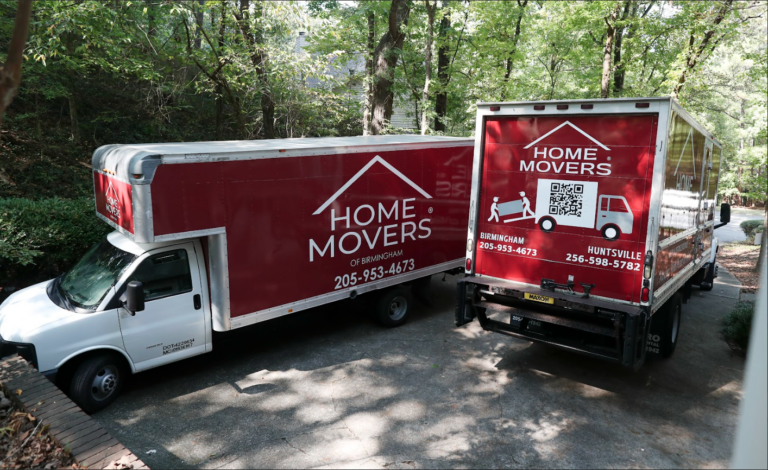
Living near the BeltLine means dealing with busy streets, limited parking, and closely spaced buildings, and Home Movers is experienced in handling those urban challenges. Their team plans moves with careful timing, coordinated access, and efficient loading to keep everything organized in high-traffic areas. By focusing on clear communication and careful handling, they help reduce delays and protect belongings throughout the move. To discuss availability and plan your BeltLine-area move, contact them at 770-525-7582 for reliable city moving support.
Contact Information:
Home Movers
12600 Deerfield Pkwy suite 2092
Alpharetta, GA 30004
United States
Reece Jernigan
(770) 525-7088
https://alhomemovers.com/movers-atlanta-ga/